

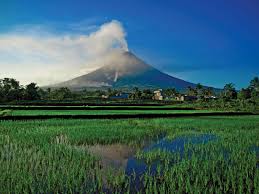
The island is one of the most enduring images in literature. In the Philippines, an archipelago of more than 7,100 islands, island stories can conjure freedom or confinement, abundance or neglect, fantasy or danger. In many Philippine and Philippines-adjacent texts, island narratives bring out tropes about colonial history, militarization, tourism, treasure and trash, and the places where rules and identities shift.
Especially in stories of the Filipino diaspora, Philippine island memories are literary tools that help construct a life story. Memories transform into narratives that project life as an archipelago, or lives as many small islands making up one whole, connected by tides of experience.
There are at least four major island tropes in literature. Writing the memoir can use a trope or two in conceiving a life thread.
Islands of Exception & Offshore Zones: The Places That Changed Us
In global theory, an “island of exception” is a space with special rules, economic zones, detention camps, disputed territories, offshore banking spaces, emergency zones. In the Philippine imagination, these appear in
- narratives around the Butuan Special Economic Zone
- Sabina Murray’s The Human Zoo, where Manila itself feels like a zone with flexible, shifting permissions
- Greg Bankoff’s environmental histories, where typhoon-prone islands become laboratories for disaster survival
- the Spratly/Kalayaan Islands, places of legal ambiguity and geopolitical tension
In these texts, the island becomes a loophole, a borderland, a place where normal life doesn’t apply.
In writing the memoirs, ask yourself: What were the islands of exception in my life? These might not be literal islands. They can be:
- your lola’s house where you felt safe
- the boarding home that changed your teenage years
- a summer town untouched by modern noise
- a village transformed by Martial Law or natural disaster
- a migration period when you felt suspended between countries
Every life has places that felt “offshore”, half inside, half outside the ordinary. These places deserve a chapter in your memoir.
Treasure & Trash Islands: What We Keep, What We Let Go
Many Philippine texts revolve around treasure: Rizal’s mentions of hidden gold, Nick Joaquin’s enchanted islands, the legends of Yamashita’s Treasure. In these texts, the Philippines is often imagined as rich but exploited, full of resources, but plundered.
At the same time, literature and reportage show trash islands: Smokey Mountain, imported waste controversies, stories of poverty, scavenging, and survival. In Merlinda Bobis’ Banana Heart Summer scarcity transforms into intimate community life.
These two island images, treasure and trash, are powerful metaphors for writing our life story.
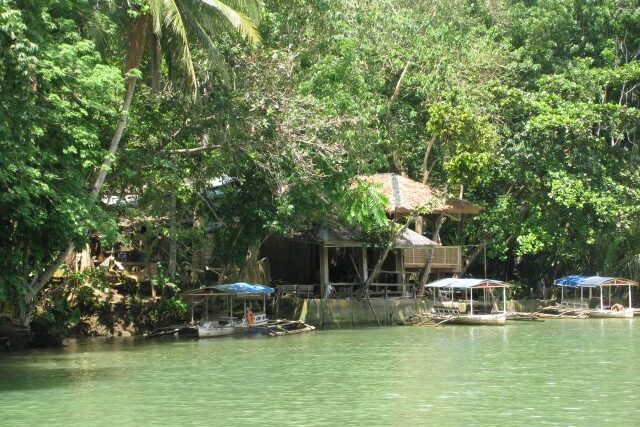
Treasure islands in memoir
Treasure rarely means money. Treasure islands are the memories you return to with gratitude:
- the smell of a childhood sea breeze
- a first book that opened your world
- a photograph you carried for decades
- a moment of forgiveness that changed everything
Trash islands in memoir
A “trash island” is not something shameful, it is something you are ready to sort through: regrets, secrets, forgotten dreams, a conflict that shaped us, memories we avoided, but now want to understand.
Writing these can be healing. What felt like rubbish becomes wisdom when narrated in the memoir; your trash island becoming the emotional heart of the book.
Island Fortresses & Militarized Zones: The Times You Had to Be Strong
Philippine history is filled with fortresses and militarized islands: Corregidor in World War II, Basilan and Jolo in conflict reportage, US-influenced military zones in Luzon, and today, the Spratlys turned into runways and garrisons.
These fortresses are symbols of endurance. In the memoir, your fortress islands are the seasons you stood firm:
- the years you carried your family through financial crisis
- a period of illness
- moments when grief tested your strength
- migration struggles abroad
- battles no one knew you were fighting
These chapters are often the backbone of a Filipino memoir. They reveal strength and resilience and show what it meant to defend our inner home when the world felt like a warzone.
Fantasy Islands & Tourist Paradises: The Places We Can’t Forget
Global culture loves the “fantasy island”, white sand, turquoise waters, eternal sunshine. Philippine tourism uses this trope to attract visitors, but literature complicates it:
- Jessica Hagedorn’s Dogeaters mocks the glossy fantasies marketed to foreigners
- Dean Francis Alfar’s stories use mythical islands to reveal social truths
- Mia Alvar’s In the Country examines the balikbayan fantasy of an idealized homeland
- Writings about Boracay’s closure show paradise as both dream and warning
The fantasy island trope are deeply personal experiences of going back to blissful moments of joy, escape, and change: memories of first travels ; honeymoons and anniversaries; reunions after long years abroad; beaches where you felt whole again.
The Island as Mirror of the Life Story
Across literature, the island mirrors the nation, your life forms the archipelago:
- the small islands that raised you
- the storms that shaped you
- the beaches you revisit in dreams
- the borders you crossed to build a new life
To write about an island is to write about the self, separate yet connected, vulnerable yet enduring, solitary yet expansive. Every island deserves to be written.
WordShop Prompts (Memoir)
- Island of Exception: Write about a place where life felt exceptional and special, your personal island with its own rules.
- Treasure Island: List three “treasures” from your life journey. Write about the memory behind it.
- Trash Island: What do you regret, a secret you’d recall, or a moment you’ve avoided until now. What wisdom does it hold now?
- Fortress Island: Describe a time when your world felt under siege. How did you protect your inner home?
- Fantasy Island: Write about a place you return to in fondness, real or imagined. Why does it remain or linger?